
Investing in the right CNC machine is a critical decision for any manufacturing business. Whether you are launching a new shop or expanding your production capabilities, selecting a CNC machine that fits your needs ensures efficiency, precision, and long-term profitability. This guide will walk you through the key factors to consider when making your decision.
1. Define Your Products Requirements
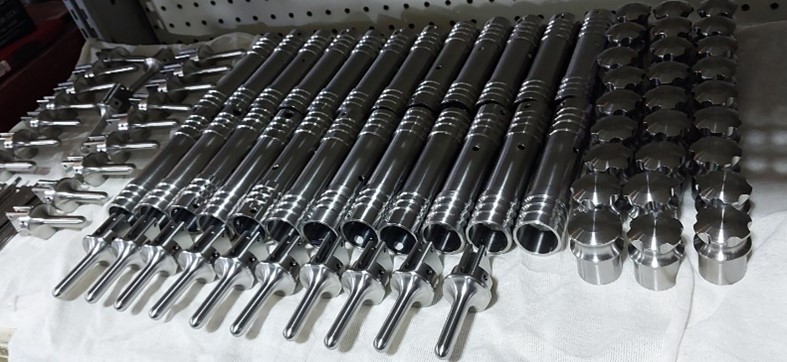
Before choosing a CNC machine, evaluate your products needs:
- Material Compatibility – What types of materials will you be machining? (Aluminum, steel, plastics, etc.)
- Precision and Finish – What level of accuracy and surface finish is required for your parts?
- Production Volume – How many parts do you need to produce daily, weekly, or monthly?
- Complexity – Do your parts require multi-axis machining or additional automation?
2. Choosing the Right CNC Machine Type
Different CNC machines are suited for specific applications:
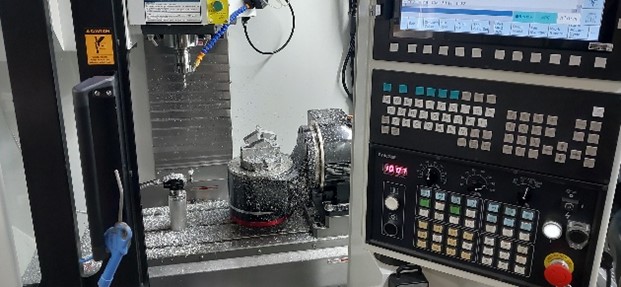
- CNC Milling Machines – Versatile for various machining applications, from prototyping to mass production.
- 4 and 5-Axis Systems – Provide greater flexibility and efficiency for complex parts.
- 4 and 5-Axis Systems – Provide greater flexibility and efficiency for complex parts.
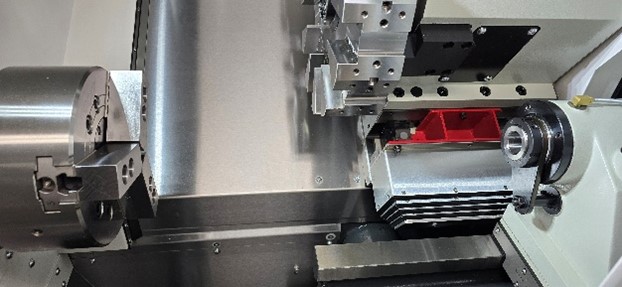
- CNC Lathes – Ideal for cylindrical parts, rapid turning operations, and high precision.
- Live Tooling, Y-Axis, Sub-Spindle, Twin Turret – Enhance efficiency for complex parts.
- Live Tooling, Y-Axis, Sub-Spindle, Twin Turret – Enhance efficiency for complex parts.
- CNC Swiss Lathes – Perfect for small, high-precision components in mass production.
- CNC Routers – Designed for cutting wood, plastics, and softer metals.
3. Machine Rigidity and Build Quality
Frame construction and motion systems impact durability and precision:
- Frame Materials – Cast iron provides rigidity and vibration resistance, while mineral casting offers superior damping and accuracy.
- Motion Systems – Box ways provide maximum rigidity, while linear guides offer high-speed movement with near-comparable rigidity.
- Taper Interface – Selecting the right tool interface impacts stability, performance, and tooling costs.
4. Space Constraints and Work Area
Consider the following when selecting a machine for your workspace:
- Shop Layout – Ensure the machine fits within your available space while allowing proper operation.
- Work Envelope – Choose a machine with sufficient table size and axis travel for your part dimensions.
- Access and Maintenance – Account for space needed for tool changes, chip removal, and serviceability.
- Opening Access – Ensure the machine can be brought inside without issues.
5. Spindle Power and Speed
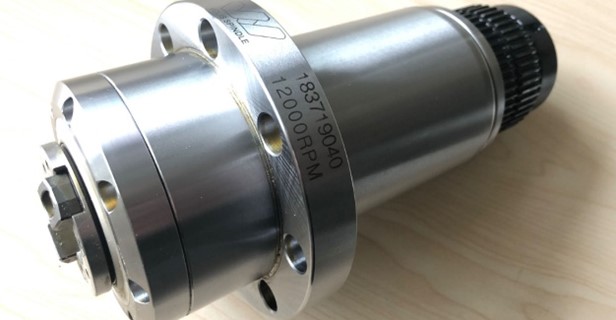
(Insert image of a CNC spindle)
The right spindle specifications impact cutting performance:
- High-speed spindles – Best for aluminum, plastics, and small tool applications.
- Low-speed, high-torque spindles – Suited for cutting hard materials and tough alloys.
6. Tool Changer Systems
Tool-changing mechanisms affect production efficiency:
- Umbrella Type – Found in smaller machines; slower tool changes.
- Wheel Type – Faster than umbrella-style but does not support waiting tools.
- Arm Type – High-end systems with fast, consistent tool change times.
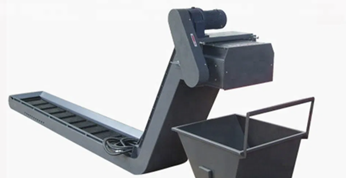
7. Chip Management
(Insert image of a CNC machine with a chip conveyor in action, showing chip evacuation)
Efficient chip management improves workflow and machine longevity:
- Chip Conveyor – Enhances cycle time and reduces operator workload but requires additional space.
- Machine Connectivity – Consider networking capabilities for real-time monitoring and automation.
8. Automation Features
Automated systems reduce downtime and improve productivity:
- Probing Systems – Automate tool measurement and workpiece setup.
- Quick Change Systems, Pallet Changers, Vacuum Systems – Enable non-stop machining with quick part loading.
- Robotic Integration – Automates part handling for high-volume production.
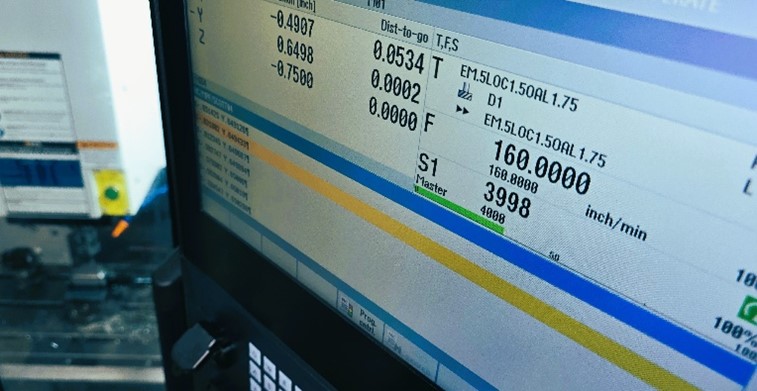
9. CNC Control System and Software Compatibility
(Insert image of a CNC control panel displaying an active machining program)
A well-integrated CNC control system enhances efficiency:
- Ease of Use – Select an intuitive control interface that supports your programming workflow.
- Software Compatibility – Ensure compatibility with your CAD/CAM software for seamless part programming.
10. Cooling and Lubrication Solutions
Proper cooling and lubrication improve tool life and machining performance:
- Flood Coolant, Air Blast, Minimum Quantity Lubrication (MQL), Through-Spindle Coolant (CTS) – Different solutions suit different machining processes and materials.
11. Power Source
Your facility’s power setup should align with the machine’s requirements:
- Voltage and Phase Compatibility – Ensure proper voltage and phase availability.
- Transformers & Converters – Some installations may need power adjustments.
- Electrical Setup and Safety – Work with a certified electrician to ensure compliance with regulations.
12. Budget and Return on Investment (ROI)
Evaluate the cost-benefit balance when selecting a CNC machine:
- Initial Investment – Weigh the upfront cost against long-term savings in productivity.
- Operating Expenses – Factor in tool wear, maintenance, and consumables.
- Resale Value – Consider how well the machine retains value over time.
13. Installation and Setup
Proper machine setup ensures performance and longevity:
- Foundation and Leveling – Some machines require reinforced bases.
- Space Planning – Adequate clearance for safe operation and maintenance.
- Environmental Controls – Maintain stable temperature and humidity.
- Professional Installation – Work with your supplier for setup and calibration.
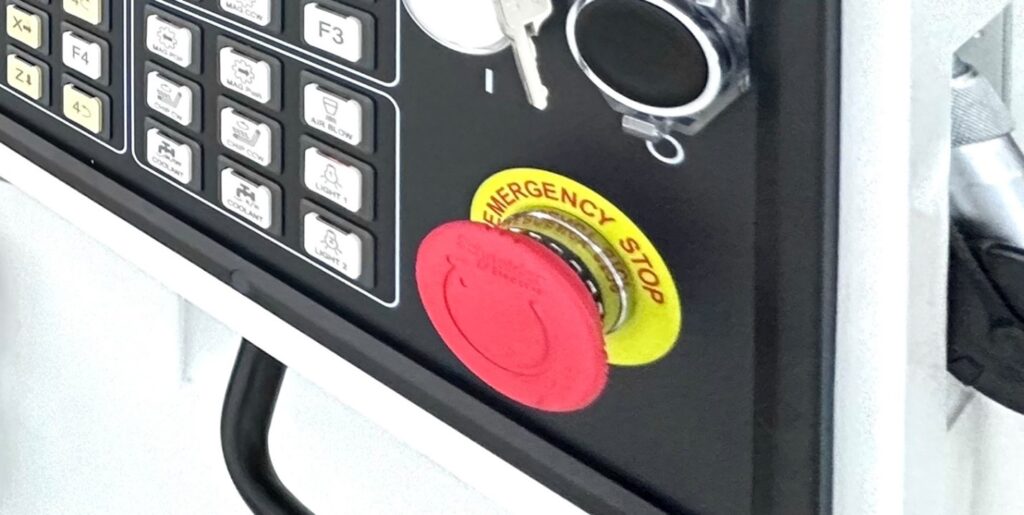
14. Safety, Health, and Environmental Considerations
(Insert image of an operator wearing PPE and working in a properly enclosed CNC environment)
Ensuring a safe and healthy workspace is essential:
- Material Hazards:
- Flammable Materials – Metals such as titanium, aluminum, and magnesium require proper handling, fire suppression measures, and appropriate storage.
- Toxic Materials – Certain materials, like beryllium, require specialized ventilation, protective equipment, and handling procedures.
- Personal Protective Equipment (PPE) – Operators should use respirators, gloves, and protective eyewear when handling hazardous materials.
- Air Filtration and Workplace Ventilation:
- Oil Mist Collectors & Air Filters – Capture airborne oil mist and ensure a clean work environment.
- Coolant and Fluid Management:
- Biodegradable and Non-Allergenic Coolants – Reduce environmental impact and minimize operator exposure risks.
- Filtration and Recycling Systems – Maintain coolant cleanliness and reduce waste.
- Machine Safety:
- Enclosures, Guards, and Interlocks – Prevent exposure to moving parts and flying debris.
- Emergency Stop Systems – Provide immediate shutdown capability.
15. Supplier Support and Services
Partnering with a reliable CNC supplier ensures long-term success:
- Training & Installation Support – Access expert guidance for seamless integration.
- Customer Service Responsiveness – Evaluate the supplier’s support track record.
- Upgrade & Expansion Options – Future-proof your investment with scalable solutions.
16. Industry Trends
Staying informed on the latest advancements helps future-proof your investment:
- AI and Machine Learning – Adaptive machining and predictive maintenance.
- Hybrid CNC Machines – Combining additive and subtractive manufacturing.
- Smart Factories – Integration with IoT for real-time performance monitoring.
17. Common Mistakes to Avoid
- Underestimating Future Growth – Choose a machine that accommodates future expansion.
- Ignoring Maintenance Costs – Factor in servicing and parts replacement.
- Skipping Hands-On Testing – Always see a demo before purchasing.
Conclusion
Selecting the right CNC machine is an investment in your business’s future. At Magma CNC, we provide high-performance CNC machines built for precision and reliability. Contact us today to explore the best CNC solutions for your business!